Exploring Amsterdam Hash Products: A Buyer's Guide to Quality and Variety
@theamsterdamhashproductsden
October 16, 2026 · 8 min read
When people talk about hash, Amsterdam often comes up in the same breath. It is not just the coffee shops or the canals. The city has long been a hub for hash culture, and the range of what is available reflects decades of trade, technique, and taste. I have spent enough time around this world to know that not all hash is the same, and knowing the differences can save you money and frustration.
Hash is essentially a concentrate. It compresses the resin glands of the cannabis plant into a dense block or paste. That sounds simple, but the method of separation, the origin of the plant, and the handling all change the final product. Amsterdam hash products have a reputation because the city draws in material from across the globe, and the market there has refined what people expect. But you do not need to book a flight to get good hash. Understanding the categories helps you buy with confidence anywhere.
How Hash Is Made: The Basics of Extraction
The first thing to grasp is that hash is not just one thing. The texture, color, and potency depend on how the resin is collected. The most common methods are dry sieving and ice water extraction. Dry sieving involves rubbing or tumbling dried plant material over fine screens. The resin heads fall through, and what remains is pressed into blocks. This is how most Moroccan hash and Afghani hash are produced. The result can range from soft and pliable to hard and brittle, depending on the pressing and the age of the material.
Ice water extraction, on the other hand, produces bubble hash. The plant material is stirred in cold water, which makes the resin heads freeze and sink. They are then filtered through a series of micron bags. Bubble hash is often lighter in color and can be very potent because it contains fewer plant particles. It also tends to melt cleaner when vaporized. Some people prefer bubble hash for its purity, but it can be more expensive.
There is also hand-rolled hash, sometimes called charas. This is made by rubbing live cannabis plants between the hands and collecting the sticky residue. It is a traditional method used in parts of India and Nepal, and it produces a very aromatic, often dark product. Charas is rare in commercial markets because it is labor-intensive, but when you find a good batch, the flavor is unlike anything else.
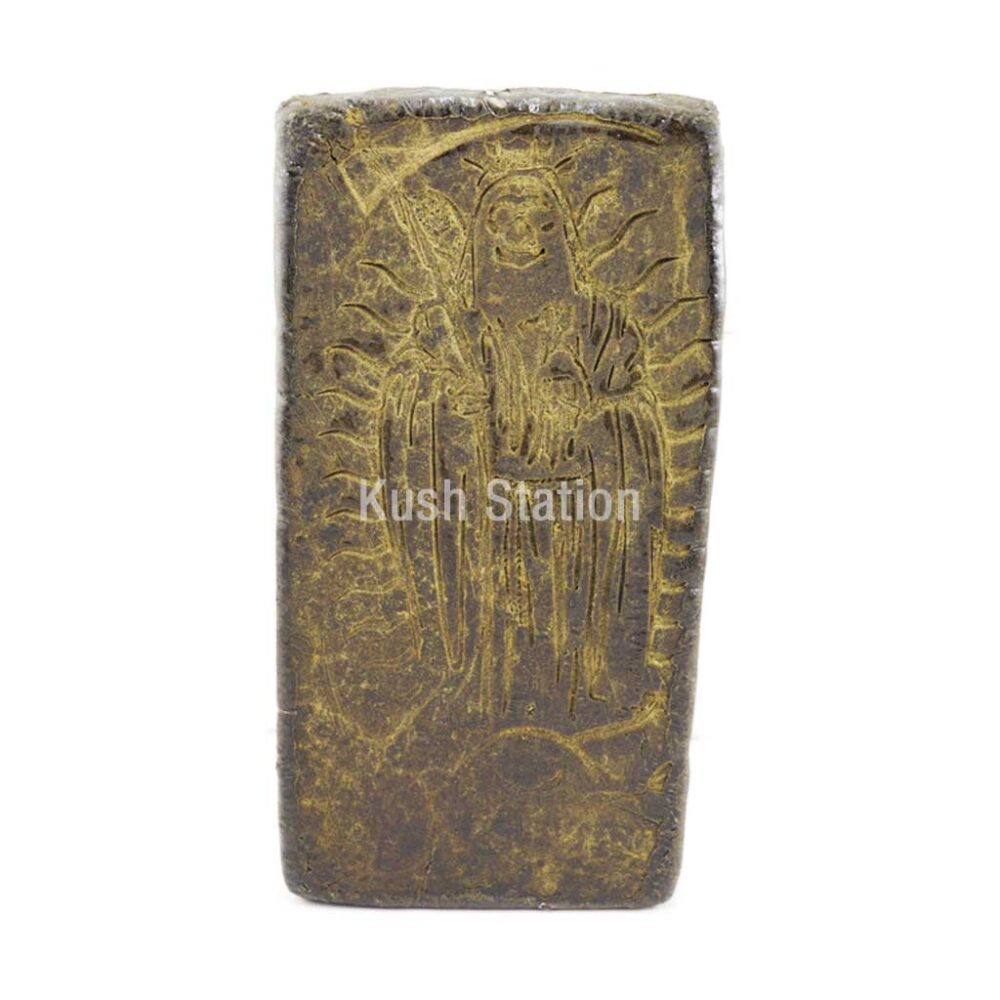
Another category is hash rosin. This is made by applying heat and pressure to hash, squeezing out a pure oil. Hash oil is usually very potent and liquid at room temperature. It is not as common in traditional hash markets, but it has become popular among concentrate enthusiasts. A hash pen or a hash pipe can handle these different consistencies, though each has its own ideal tool.
Regional Styles and Their Characteristics
Origin matters. The same plant grown in different climates produces different resin profiles. Moroccan hash is typically made from landrace sativa or indica varieties grown in the Rif Mountains. It is often medium brown, crumbly, and has a spicy, floral aroma. The potency can vary, but good Moroccan hash has a balanced effect, not too heavy, not too light.
Lebanese hash tends to be lighter in color, sometimes almost blonde. It is often made from a cross of local landraces and has a distinctive piney, citrus note. Lebanese hash is usually dry sieve, and it burns with a clean white ash. I have found it to be a good choice for people who want a clear-headed experience without too much drowsiness.
Afghani hash is the heavy hitter. Grown in the mountainous regions of Afghanistan, the plants are often pure indica landraces, which produce dense, oily resin. Afghani hash is usually dark brown to black, soft, and very sticky. The effects are sedating and long-lasting. This is not a daytime hash for most people. It is the kind you reach for when you want to settle in for the evening.
These regional styles are the backbone of many Amsterdam hash products. The city has been a crossroads for these imports for decades, and the knowledge of how to judge them has become part of the local culture.
Potency and Grade: What to Look For
Hash potency is measured by the concentration of cannabinoids, mainly THC. A standard hash might have 20 to 30 percent THC. High-grade hash can reach 50 percent or more. But numbers are not everything. The entourage effect of other cannabinoids and terpenes plays a big role in the experience. A well-made dry sieve hash with 35 percent THC can feel more complex than a pure THC concentrate with 70 percent.
CBD hash is another option. This is made from hemp plants that are bred to produce high CBD and very little THC. It gives the relaxing body effect without the strong psychoactive high. Some people use it for anxiety or sleep. Hemp hash is becoming more common as the market for non-intoxicating products grows.
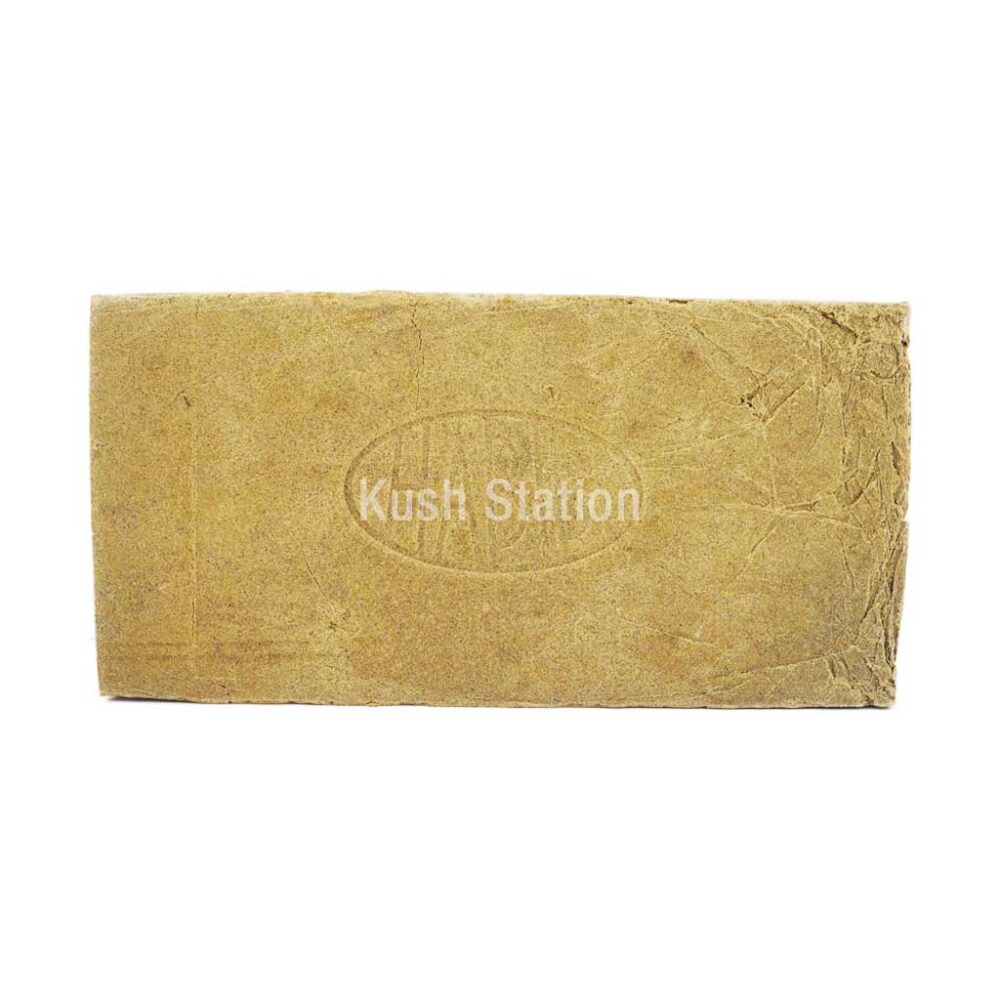
When I look at hash, I check the color, the texture, and the smell. Fresh hash should be slightly tacky, not dry and dusty. It should have a distinct aroma, either floral, spicy, or earthy. If it smells like old hay or nothing at all, it is probably degraded. The grade also affects how it burns. Good hash bubbles when you hold a flame to it. Poor quality hash just smolders or drips black residue.
Bulk Purchasing: Practical Considerations
For regular users, bulk hash pricing is worth considering. Buying larger quantities often brings the per-gram cost down significantly. But you need to store it properly. Hash can dry out or go moldy if not kept in an airtight container in a cool, dark place. A vacuum seal works well for long-term storage. Some people freeze hash, though that can make it too brittle to handle easily.
If you are buying bulk, it helps to know the hash grade. Lower grades might be fine for cooking or making edibles, while higher grades are better for smoking or vaping. Mixing grades can also be a good way to balance cost and effect. A blend of a potent Afghani hash with a milder Moroccan hash can give you a nice middle ground.
KushStation, for example, offers a range of hash options, from classic imports to newer styles like hash infused pre-rolls. These pre-rolls combine hash with flower, giving a consistent experience without the need to pack a pipe. They are convenient for travel or for when you want a quick session.
Tools and Techniques for Enjoying Hash
The way you consume hash changes the experience. A hash pipe is simple and direct. You crumble a small piece, pack it in the bowl, and light it. But hash can be sticky, so a good screen or a layer of ash helps. A hash pen is a vaporizer designed for concentrates. It heats the hash just enough to release the vapor without burning it. This preserves more flavor and is gentler on the throat.
If you are using a traditional pipe, try the "hot knife" method or use a small piece of metal mesh. Some people mix hash with tobacco or herb in a joint. That is common in Europe, but it is not for everyone. The key is to start with a small amount. Hash can be much stronger than flower, and it is easy to overdo it.
Hash Infused Pre-Rolls: A Modern Convenience
Hash infused pre-rolls are exactly what they sound like. The hash is either mixed into the ground flower or placed as a core inside the roll. This gives a longer, more intense session. They are also less messy because you are not handling the hash directly. The quality depends on the hash and the flower used. A good pre-roll uses fresh hash and well-cured flower. A bad one uses leftover trim and low-grade hash oil. It pays to check the source.
Final Thoughts on Choosing Hash
Hash is a product of patience and skill. The best examples come from regions where the craft has been practiced for generations. Moroccan hash, Lebanese hash, Afghani hash, and bubble hash each have their own character. The same is true for charas and hand-rolled hash, though those are harder to find. What matters is knowing what you want and how to judge it.
Amsterdam hash products set a standard because the city's market has always demanded quality. But that standard is accessible anywhere if you learn the basics. Look at the color. Smell it. Feel the texture. Ask questions about the source and the extraction method. A little knowledge goes a long way.
Whether you are buying a few grams or looking at bulk hash pricing, the same principles apply. Good hash is worth the price. Bad hash is a waste of money no matter how cheap it is. Trust your senses, buy from reputable sellers, and store it well. That is the real secret to enjoying hash.